Budgeting is the planning step first-timers skip most often, and the one that causes the most stress later, when the costs arrive faster than expected and the trip starts to feel like a running tab. The good news is that a road trip budget isn’t mysterious: it’s built from a small number of predictable categories. Estimate each one honestly and you trade a vague dread about money for a realistic number you can actually work with.
This breaks the budget into those categories, shows how to estimate each, and covers the buffer that keeps an unexpected cost from derailing the trip. It’s the detailed version of the budgeting step in our road trip planning guide, and it pairs naturally with a finished day-by-day itinerary, which is what makes most of these numbers estimable in the first place. If you’d rather see a number before the reading, our road trip budget calculator does the arithmetic from your distance, nights, and travel style; this guide explains what’s behind each figure.
Fuel: the one cost you can actually calculate
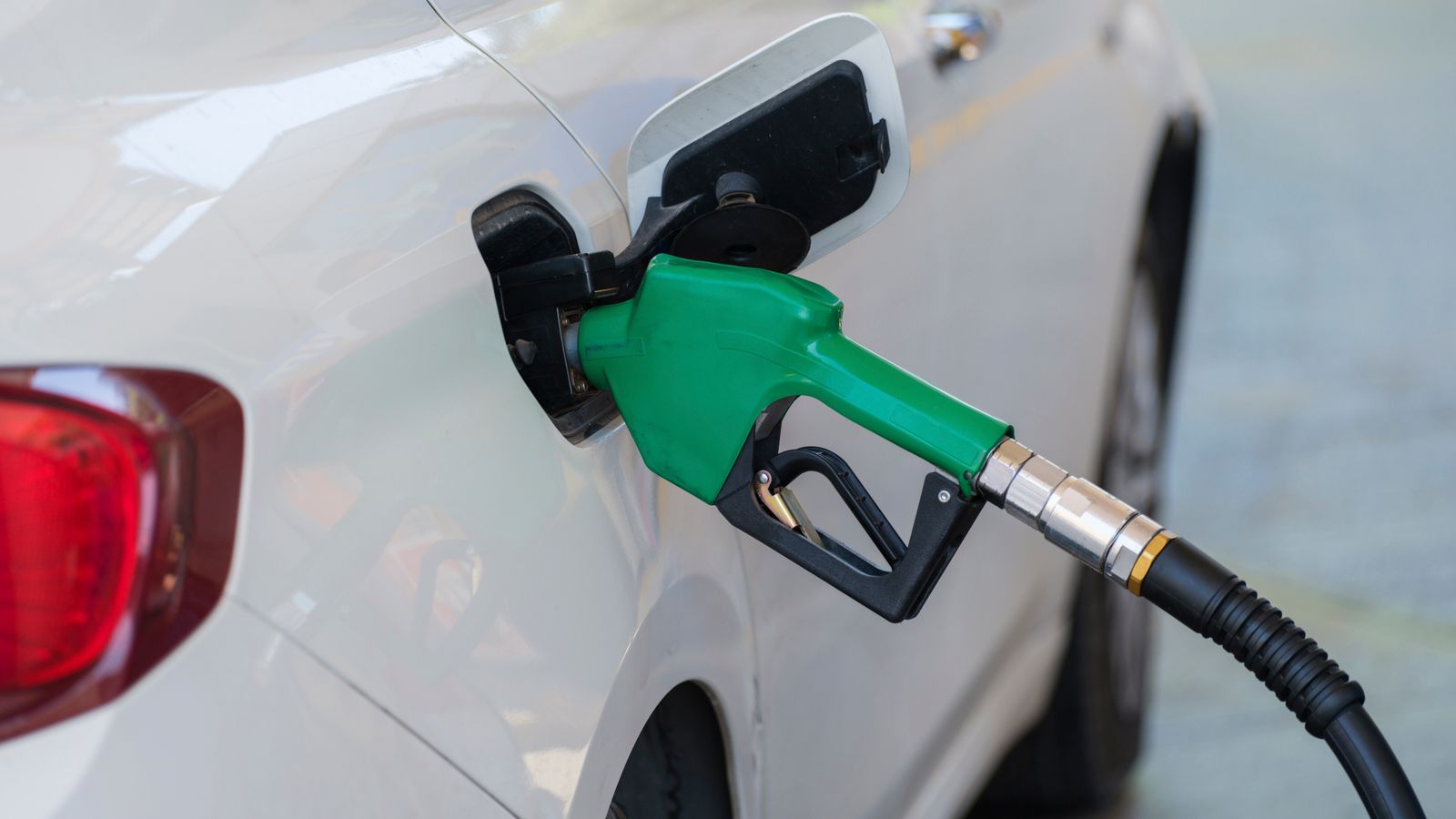
Fuel is the expense unique to road trips, and unlike the others it’s genuinely calculable. Take your total route distance, divide by your car’s miles per gallon, and multiply by the local fuel price; that gives you a real, defensible figure rather than a guess. It’s worth recalculating if you change the route, because fuel scales directly with distance, and a longer or hillier route quietly costs more at the pump. This single calculation stops gas from becoming an invisible drain on the trip.
Accommodation: usually the biggest, always the most variable
Lodging is typically the largest line in the budget and the one that swings the most, from free dispersed camping to campsites to motels to hotels. The most effective lever here is mixing: a few nights camping or in budget motels can offset the occasional splurge and bring the average way down. Booking at least some nights ahead also locks in a known price, which matters most in popular areas and peak season: the practical side of the book-ahead-or-stay-flexible decision.
Food: the most flexible lever you have
Food is where a budget has the most give, because the range between cheapest and most expensive is enormous. Eating out for every meal adds up fast; carrying a cooler and self-catering even some of the time cuts that cost to a fraction. You don’t have to choose one extreme: a mix of cooked breakfasts, packed lunches, and the occasional restaurant dinner keeps both the budget and the trip enjoyable, and it’s the easiest place to find savings if the total comes out high. Snacks are the same line item in miniature, and they’re easier to plan as their own list: what’s worth packing for the long haul.
Activities and the costs that hide
Activities (park entry fees, tours, attractions) range from free hikes to pricey guided experiences, so it’s worth listing the ones you genuinely care about and pricing those rather than budgeting vaguely for “stuff to do.” Then account for the costs that are easy to forget entirely: tolls, parking, and the ordinary wear a long trip puts on your car. These small, unglamorous line items are exactly the ones that turn a budget optimistic if you leave them out.
Add a buffer
On top of your estimated total, set aside a buffer of around ten to fifteen percent for the things you can’t foresee: an unplanned night, a detour, a minor repair. This isn’t about predicting every cost exactly; it’s protection, not prophecy. A budget without a buffer is a budget that breaks the first time something goes slightly differently than planned, which on a road trip is more or less guaranteed. Some of what absorbs those small surprises isn’t money but preparation, which we cover separately in what to keep in the car.
Track it as you go
A budget built before the trip is only half the job; the other half is watching it during. Keep a simple running tally (a note on your phone, a cheap app, whatever you’ll actually use) and log the big categories as you spend. It takes seconds at each fill-up or checkout, and it does two useful things: it catches a category running hot while you can still adjust, and it turns next trip’s estimate from a guess into a record. The point isn’t to police every dollar on holiday; it’s to know roughly where you stand, so a good day doesn’t quietly borrow from the rest of the trip.
If the total is too high, pull a lever
When the estimate comes out higher than you’d like, you have clear moves rather than vague worry. Shorten the route to cut fuel and nights on the road; choose cheaper lodging for part of the trip; cook more and eat out less; or travel just outside peak season, when both fuel and rooms often cost less. A budget isn’t a limit imposed on the trip; it’s the tool that tells you which version of the trip you can actually afford before you’re committed to it. Skipping this step is one of the mistakes that catches road trippers out on the road, when the tab is already running.
The same instincts scale past road trips. If you’re budgeting a trip more generally, our guide to planning a trip on a budget covers both sides: building the fund beforehand and cutting the booking-time costs. If there are kids in the car, we take that angle on its own in a calm, realistic look at family road trip planning. Some destinations bend the fuel arithmetic on their own: Big Bend in winter has two gas stations for 300 miles of park road.