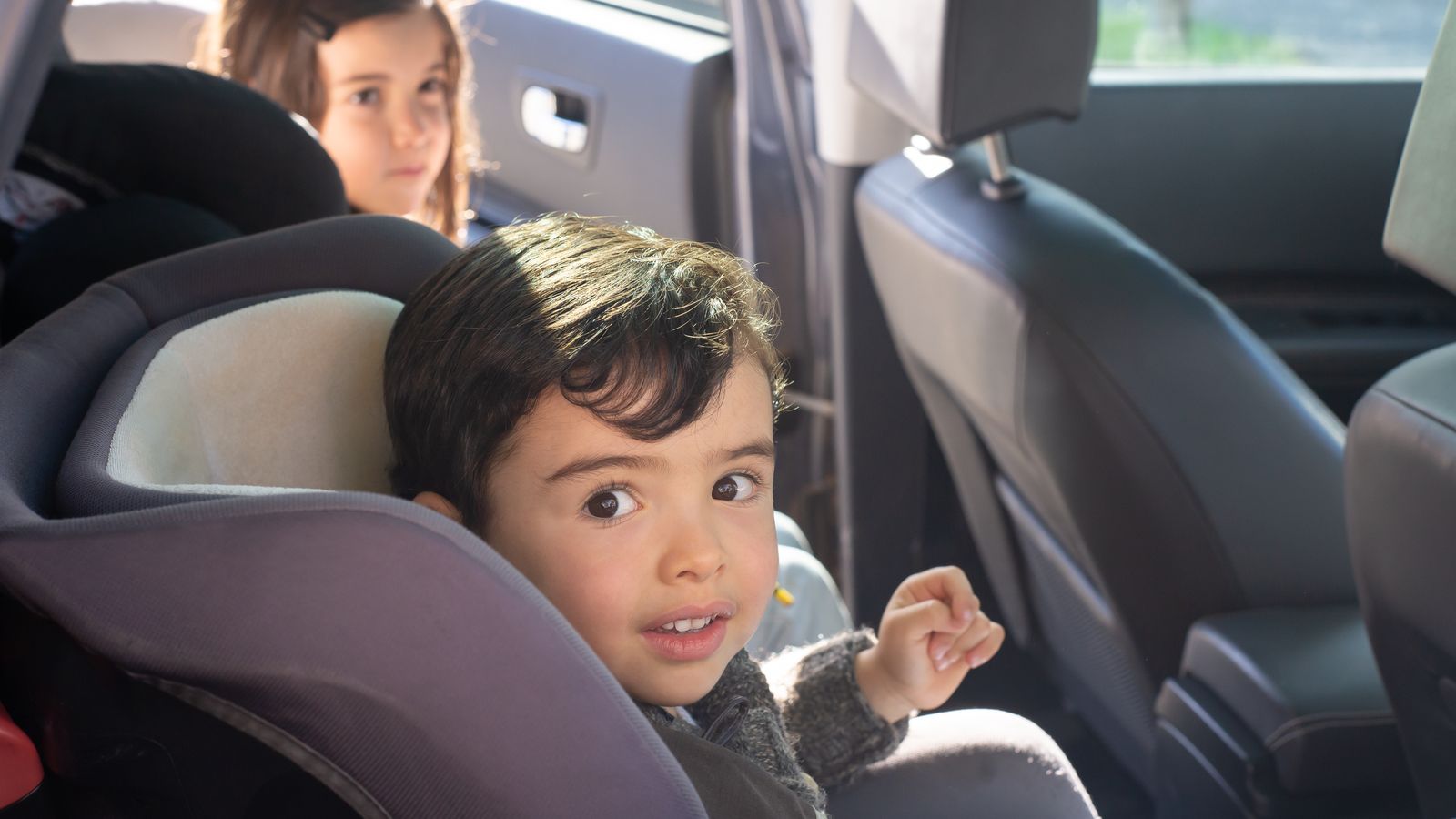
On a family road trip, entertainment isn’t a luxury to pack if there’s room: it’s the thing standing between you and a back-seat meltdown two hours from anywhere. The scenery carries the first hour and the last; it’s the long middle that decides whether the drive is pleasant or a test of everyone’s patience. Planning for that middle is as much a part of the trip as booking the hotel.
The secret isn’t one perfect distraction. It’s variety, and a little preparation. A mix of games, audio, and screens, prepared before you need them, means no single thing has to carry the whole drive. It’s one piece of the broader calm family road trip approach: plan enough that the hard hours have a plan, without trying to script every minute.
Load everything before you lose signal
The single most important step happens before you leave the driveway: download everything. Movies, shows, playlists, audiobooks, and podcasts should all be saved to the device, not streamed, because the stretches where kids get most restless (open highway, national parks, rural country) are exactly where the signal disappears. A tablet full of downloaded content is entertainment; a tablet waiting to buffer is a fresh source of complaints.
The classics still work
Before reaching for a screen, it’s worth remembering that the oldest road trip games endure because they’re good. I-spy, the license-plate game, twenty questions, the alphabet game hunting letters on signs, and collaborative story-building need no batteries, no setup, and no charging, and they have the rare virtue of including the whole car, adults included. Teach a couple at the start of the trip and they become a shared habit rather than a last resort.
Audio the whole car can share
Audio is the most underrated entertainment on a long drive because it doesn’t isolate anyone. A good audiobook, a kids’ podcast, or a shared playlist keeps everyone in the same experience instead of each person sealed behind their own headphones. For families with a range of ages, a well-chosen audiobook can hold a surprisingly wide span of attention, and it turns passive hours into something the family actually talks about afterward.
Screens, used deliberately
Screens aren’t the enemy, and pretending otherwise on a multi-day drive just sets everyone up to fail. The trick is to ration them rather than ban or unleash them: save them for the genuinely hard stretches rather than letting them run from mile one, so they still have the power to reset a difficult afternoon. Pack headphones to keep the peace, and lean on that downloaded content so a screen doesn’t become another thing that depends on coverage.
A small bag of surprises
One cheap trick outperforms almost everything else: a small stash of new, inexpensive activities (a coloring book, a puzzle, a little toy) revealed at intervals rather than all at once. Novelty resets attention better than anything familiar, so handing something new back at the two-hour mark buys a fresh stretch of quiet. Spacing them out across the trip makes a handful of dollar-store items last for days.
Match the entertainment to the age
The right entertainment shifts with age, and a car carrying more than one age group is the real challenge. Toddlers and preschoolers run on short cycles: they need frequent, novel, and often physical resets (a new small toy, a snack, a stop to run around) far more than any single long activity, and they lose interest in screens faster than parents expect. School-age kids can sink into an audiobook, a game, or a downloaded film for a proper stretch, and they’re old enough to run the classic games themselves once you’ve taught them. Teenagers, for the most part, want to be left alone with their own audio and a charged phone, and there’s no harm in letting them.
The practical move in a mixed-age car is to build the shared layer first (the audiobook or playlist everyone can live with) and then let each age fill the gaps in its own way, rather than hunting for one activity that satisfies a four-year-old and a fourteen-year-old at once. It rarely exists. Planning for the youngest child’s attention span, and treating everything the older ones manage as a bonus, tends to keep the whole car calmer than aiming at the middle.
Remember that boredom isn’t an emergency
Finally, a little perspective. Some boredom in the back seat is normal and even useful: it’s where kids invent games, notice the landscape, and learn to sit with their own thoughts. Trying to fill every single minute is exhausting for the adults and teaches nobody anything. Give the hard hours a plan, keep the tools varied, and let the quiet stretches be. If you’re just starting out with kids in the car, a short weekend trip is a low-stakes way to learn what actually holds your family’s attention before a bigger drive.