The car emergency kit is the part of packing you assemble once and hope never to open. That’s precisely why it gets a lazy treatment: a flashlight tossed in the trunk and a vague sense that you’re covered. But the moment a kit matters is the moment you can’t improvise, and a generic list pulled from memory tends to miss the things that count.
So this one is built on what AAA actually recommends, organized by what each item is for rather than as one long jumble. AAA frames a good kit around four needs (safety, warmth, sustenance, and communication), and that’s a more useful way to think about it than a shopping list, because it tells you why each thing earns its space. This is the deep version of the emergency items in our broader road trip car essentials guide.
Getting seen and getting going
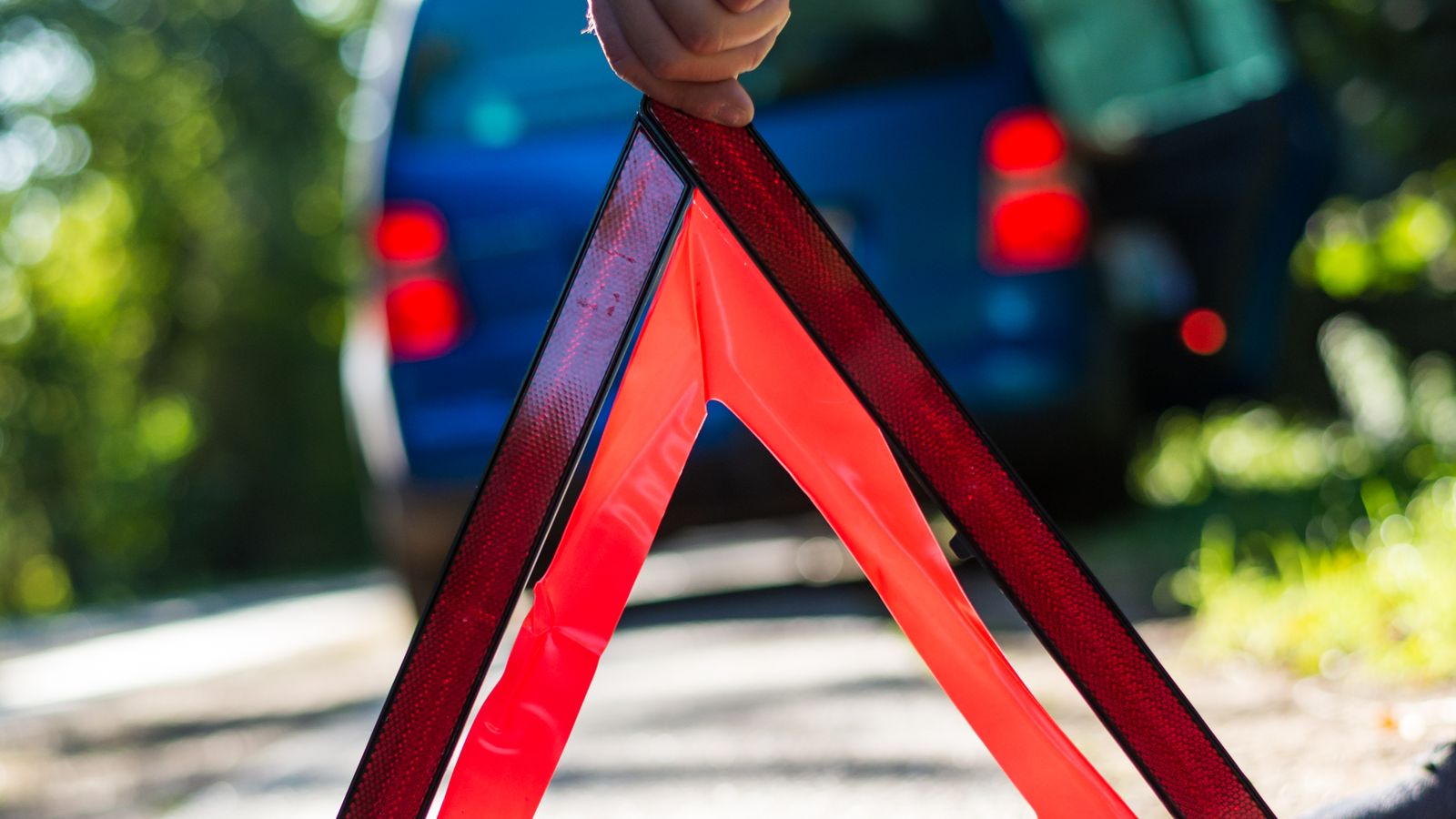
The first job of a kit is to handle the two most common roadside situations: being stuck and being stopped somewhere unsafe. For visibility, AAA recommends reflective warning triangles or flares and a high-visibility vest, so a breakdown on a shoulder doesn’t turn into something worse. For getting going again, the core is jumper cables or a self-contained jump pack, a portable air compressor or tire inflator with a pressure gauge, and (if your car has them) a jack, lug wrench, and a properly inflated spare.
First aid and staying fed
A first-aid kit is non-negotiable, and AAA suggests it hold more than the basics: bandages, antiseptic ointment, gauze pads, gloves, tweezers, and any personal medications you’d need if a quick trip became an overnight one. Alongside it, keep drinking water and some non-perishable food. In a breakdown far from services, or in summer heat, water stops being a convenience and becomes the single most important thing in the trunk.
Communication and the small, vital stuff
Staying reachable and self-sufficient covers the rest. AAA’s list includes an extra phone charger, a paper map for when signal fails, a tire pressure gauge, duct tape, cable ties, spare fuses, and a pen and notepad: the unglamorous items that quietly solve problems. A hand-crank radio rounds it out for areas and situations where your phone can’t help. None of it is expensive, and all of it lives permanently in the car.
Winter changes the kit
Cold-weather driving raises the stakes, and AAA recommends adding to the kit accordingly. Pack blankets (including heat-reflective emergency blankets, which trap far more warmth than a household one), plus warm layers like a hat, gloves, thick socks, and boots. For traction and digging out, add a foldable shovel, an ice scraper and snow brush, de-icer, and a bag of non-clumping cat litter, which gives tires grip on ice and adds useful weight over the drive wheels.
The kit, in one list
Here’s the whole thing to assemble and leave in the car, based on AAA’s recommendations:
- Seen & going: reflective triangles or flares, hi-vis vest, jumper cables or jump pack, portable air compressor/inflator, tire pressure gauge, jack, lug wrench, inflated spare
- First aid & food: stocked first-aid kit, personal medications, drinking water, non-perishable food
- Communication & tools: extra phone charger, paper map, duct tape, cable ties, spare fuses, pen & notepad, hand-crank radio, flashlight or headlamp
- Winter add-ons: blankets (incl. heat-reflective), warm hat/gloves/socks/boots, foldable shovel, ice scraper & snow brush, de-icer, non-clumping cat litter
Match the kit to your route
A kit isn’t one-size-fits-all: the route should shape it. Desert and long remote stretches mean carrying more water than feels reasonable and making sure someone knows your route, since a breakdown out of signal is the real danger. Cold-weather and mountain drives call for the full winter additions and traction gear. Coastal and city trips can run leaner. The point is to think about where this particular trip actually goes and adjust the contents to match, rather than packing the same box for a summer beach weekend and a winter crossing of a mountain pass.
Check it four times a year
A kit isn’t a one-time job. AAA advises checking it quarterly, and again before any road trip, to confirm the water and food are still good, batteries are charged, and nothing has been quietly borrowed and not returned. Five minutes twice a season keeps the kit from being a box of expired good intentions.
Assembling this is one of the steps that separates a prepared trip from an anxious one, and skipping the car preparation entirely is a classic error we cover among the most common road trip mistakes. Build the kit once as part of getting your car road-ready, leave it in the trunk, and a dead battery or a flat tire stays a delay instead of a disaster.