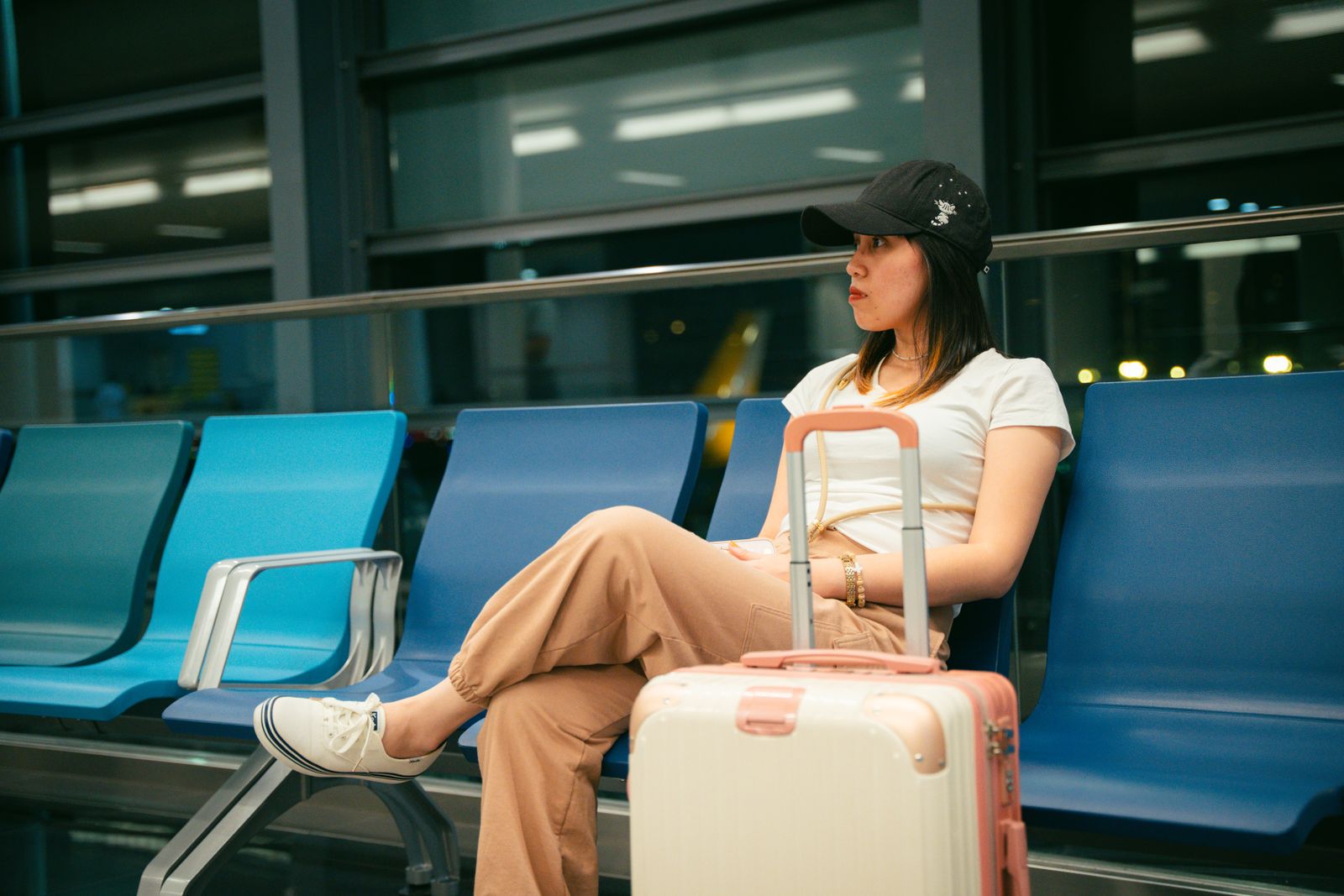
Solo travel has moved from niche to mainstream fast. The global solo travel market was valued at roughly $549.8 billion in 2025 and is growing at a 14.6% annual rate, with women accounting for 54.6% of that spending, according to Grand View Research. If you’re about to take your first trip alone, you’re joining a very well-established habit, not inventing something risky. A few practical habits make the difference between a first solo trip that goes smoothly and one that doesn’t.
Start with a short trip
Your first solo trip doesn’t need to be two weeks in a country where you don’t speak the language. A long weekend, three or four days, somewhere with an easy transit connection and a language or culture you’re at least somewhat familiar with, tells you more about how you actually handle solo travel than any amount of planning does. You’ll find out quickly whether you like eating alone, how you handle a delayed flight without someone to vent to, and how much structure you personally need in a day. Take that information into the next, longer trip instead of guessing upfront.
Book your first night before you leave
You don’t need the whole trip planned hour by hour, but arriving somewhere new, alone, with nowhere booked and no plan for the next few hours is a bad combination, especially after a long flight. Book at least your first one or two nights before you go, in a well-reviewed, centrally located place. It gives you a known destination straight off the plane or train, and a safe base to figure out the rest of the trip from once you’ve slept and are thinking clearly.
Register your trip and tell someone
If you’re a US citizen traveling internationally, the State Department’s free Smart Traveler Enrollment Program (STEP) lets the nearest embassy contact you in an emergency and sends alerts about safety conditions at your destination. It takes a few minutes at travel.state.gov. Separately from that, share your itinerary with someone back home (where you’re staying, your flight details, and a rough day-by-day plan) and agree on a simple check-in rhythm, even just a daily text. Neither step assumes anything is going to go wrong; both mean someone knows where to start looking if it does.
Split your money and copy your documents
Don’t carry your only card and all your cash in one place. Split money and cards between your bag and something on your body, and leave a backup card in your hotel safe. Photograph the photo page of your passport and your travel insurance details, and email them to yourself or save them somewhere you can access without your phone. A lost or stolen phone shouldn’t also mean losing your only copy of your documents.
Get travel insurance
Traveling alone means there’s no one else on the trip to absorb a problem with you (a missed connection, a cancelled tour, a medical issue), so it falls entirely on you to sort out and pay for. A basic travel insurance policy covering medical care, trip cancellation, and lost baggage is inexpensive relative to what it protects against, and it’s one of the few things on this list that’s genuinely hard to arrange after the fact.
Stay aware, not anxious
The goal isn’t to treat every stranger as a threat. It’s ordinary situational awareness: knowing roughly where you are, keeping your phone charged, not broadcasting on social media that you’re alone in an unfamiliar place in real time. Most of what makes a first solo trip feel safe is the same preparation covered above, done once before you leave, rather than vigilance you have to maintain every hour you’re there.
If your first solo trip is a road trip specifically, our solo road trip planning guide covers the parts unique to driving alone (route pacing, overnight stops, and vehicle checks) on top of everything above.
If flying is the part that makes you most nervous, our guide to flying alone for the first time covers the airport-specific side: timing, gate changes, and layovers. And if safety habits specifically are what you want more detail on, our solo female travel safety guide goes deeper on hotel and street precautions.