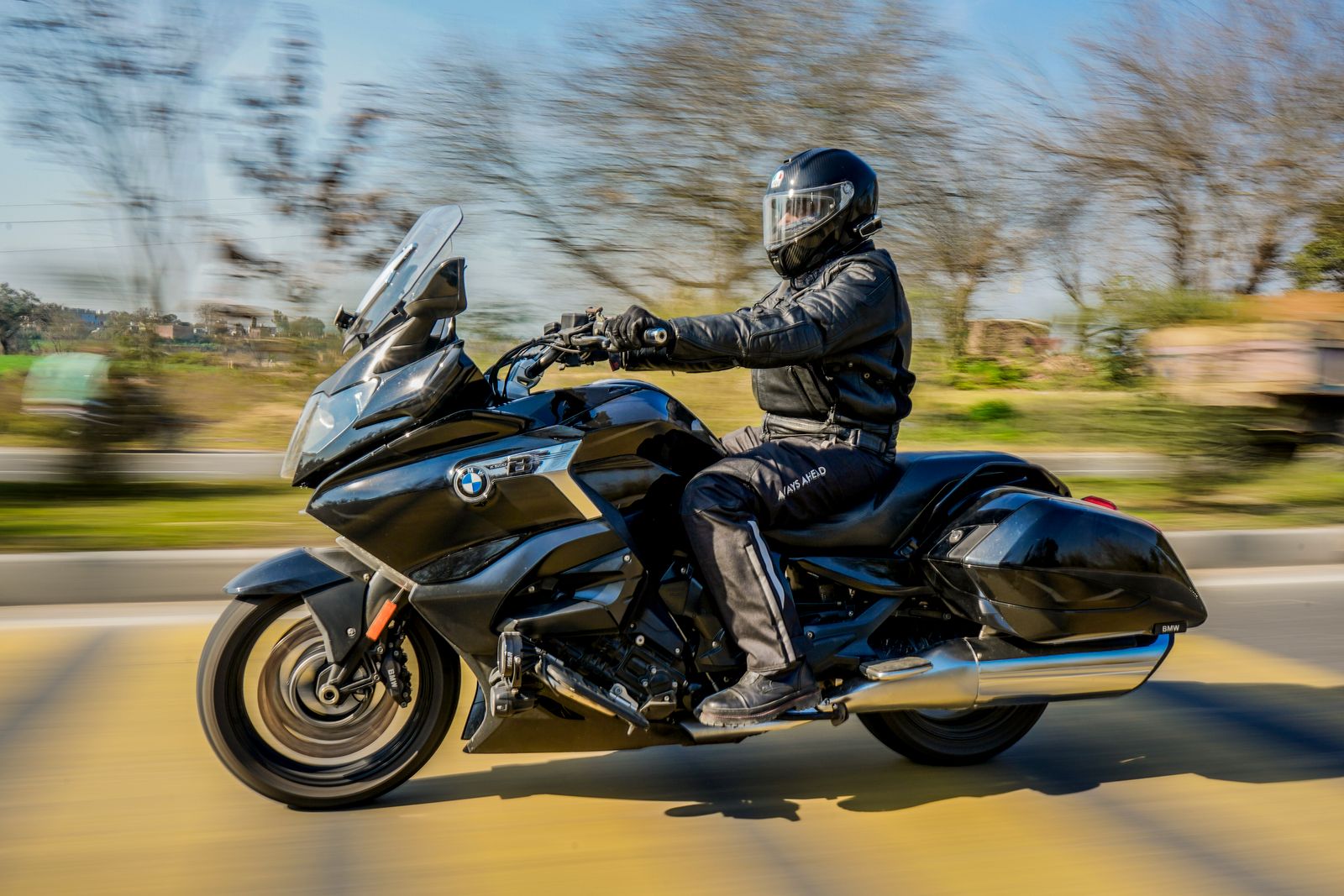
Planning a weekend loop and planning a coast-to-coast ride are different exercises. The basics from how to plan a motorcycle road trip still apply, but a cross-country trip adds a layer most weekend riders never have to think about: sustaining the pace, the bike, and the logistics of being away for weeks instead of days.
Set a realistic pace and timeline
A genuine coast-to-coast crossing runs 3,000 to 4,000 miles depending on the route: I-40 from Los Angeles to Wilmington covers 2,554 miles, I-80 from New York to San Francisco runs closer to 3,000, and Route 66 covers 2,448 miles between Chicago and Santa Monica. At an aggressive pace, that’s 7 to 12 days; at a touring pace with real sightseeing, plan on 2 to 4 weeks. Most riders comfortably manage 250 to 350 miles a day, though cross-country trips often push 300 to 500 on the days built purely for covering ground, noticeably more than the 150-to-250-mile range that works for a first weekend trip. Decide which kind of trip you’re on before you leave, because the two paces need different amounts of vacation time.
Budget for maintenance mid-trip, not just before you leave
A pre-departure check handles the start of the trip; a cross-country distance can put you mid-interval before you’re home. Touring and cruiser bikes typically run 12,000-to-20,000-mile oil change intervals, but that number resets from your last change, not from day one of the trip. Know where your bike actually sits before you go, and don’t assume a full interval is available just because the trip is long. The same goes for tires: check tread depth against your planned mileage, not just current wear, since a set that’s fine for local riding might not survive 3,000 more miles. Look up dealer or independent shop locations along your route before you leave, so a worn tire or an oil light doesn’t turn into a multi-day delay in a town with no motorcycle shop.
Use the Iron Butt Association as a calibration point, not a target
The Iron Butt Association certifies long-distance rides, and its entry-level SaddleSore 1000 (1,000 miles in 24 hours) sounds extreme until you do the math: it’s an average of about 42 mph including every stop. That’s useful context, not a goal to chase on your first cross-country trip. The IBA itself recommends riders have several thousand miles of long-distance experience before attempting a certified ride. The lesson to take from it isn’t “go faster”: it’s that even serious long-distance riders measure success in sustainable average speed and minimized stops, not in pushing hard for a few hours and burning out on day three.
Plan for weeks away, not days
A weekend trip doesn’t require much beyond telling someone your plans. Multiple weeks does: set up autopay for bills that fall due while you’re gone, request enough prescription medication to cover the trip plus a buffer, and let your bank know you’ll be making purchases across several states so a routine transaction doesn’t get flagged as fraud. If you’re leaving a home empty, arrange for someone to check on it periodically rather than leaving it visibly unattended for a month.
None of this replaces route planning or gear: for that, best touring motorcycles for a road trip and the motorcycle road trip planning guide still apply. What changes cross-country is the scale: the same decisions, stretched over thousands more miles. And a coast-to-coast route doesn’t have to be all interstate. Several of the best scenic roads for a motorcycle trip sit close enough to major crossings to work in without adding much detour, and a southern or mid-Atlantic route can absorb the entire Blue Ridge Parkway as a multi-day leg rather than a special trip of its own.